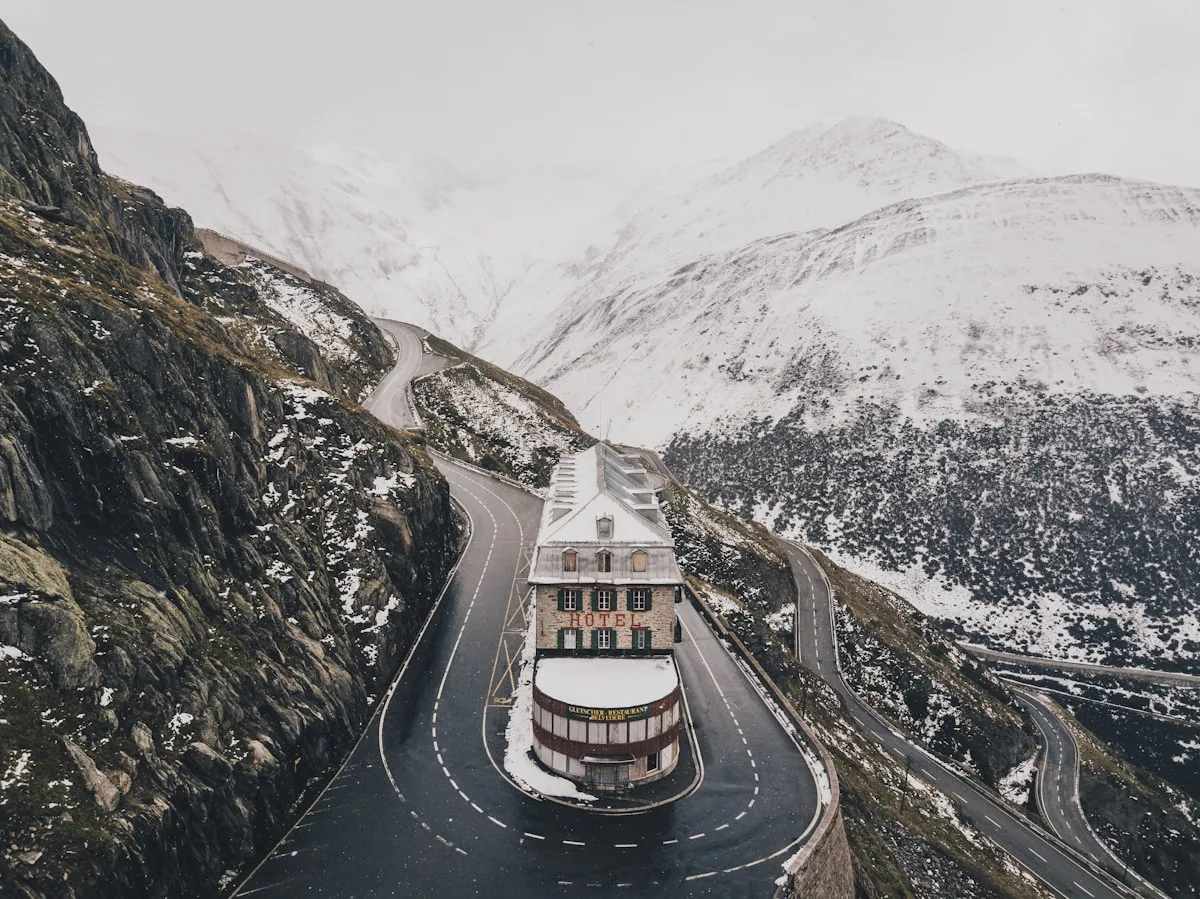
Alps Driving Route
Driving from Munich to Hallstatt: Route, Time, Scenic Stops
A practical route brief focused on timing checks, parking planning, and the key decisions to confirm before you drive.
Alps Driving Route
A practical route brief focused on timing checks, parking planning, and the key decisions to confirm before you drive.
Compare prices before you go
Compare the linked options for your dates. Prices, availability and cancellation terms vary by provider and offer; check the full details before booking.
Planning the whole trip? Build a free day-by-day itinerary with the Trip Planner — real distances and drive times, printable.
Munich to Hallstatt is about 2 hr 40 min of driving without stops. The fastest sensible line is A8 east from Munich via Rosenheim and Bad Reichenhall to the Walserberg border, then Austria's A1 West Autobahn past Salzburg to the Thalgau/Mondsee exit, B158 via St. Gilgen and Strobl to Bad Ischl, then B145 and B166 along the Hallstätter See to Hallstatt. Below: what the drive actually costs you in tolls and time, where it is worth stopping, and what to know before you set off.
Before you go: You need an Austrian motorway vignette for this trip: the A1 stretch from the German border at Walserberg to the Salzburg-Nord exit is legally vignette-exempt, but the fast route to Hallstatt stays on the A1 well past Salzburg-Nord toward Thalgau/Mondsee. If you'd rather not buy one, leave the motorway at Salzburg-Nord and take the toll-free B158 through St. Gilgen and Bad Ischl instead — it costs roughly 15 extra minutes.
| Metric | Estimate | Planning note |
|---|---|---|
| Distance | 208 km | Road distance on the fastest sensible route. |
| Typical drive time | About 2 hr 40 min | Direct drive, no stops, normal daytime traffic. Allow more in summer holiday traffic and on Alpine pass sections. |
| If you want stops | Add 30–90+ min | Use one or two stops that sit naturally on the corridor you actually plan to drive. |
| Main pickup airports | MUC, SZG, VIE | Useful for one-way rental planning. |
Use official local tourism and parking information to finalize any detours for your travel date.
Late spring through early autumn is the easiest window for consistent scenic access. Winter is possible, but needs weather flexibility and stricter timing discipline.
These planning pages can help you lock in the key decisions for your trip.
These planning pages can help you lock in the key decisions for your trip.
Found this helpful? Share it with fellow travelers
Free Alps Planning Tool
Build a day-by-day itinerary with real distances and drive times from our route guides — printable, shareable, and free. No signup needed.
Prefer occasional route updates by email? No spam, unsubscribe anytime.
No spam. Unsubscribe anytime. We only send Alps travel tips.
Affiliate disclosure: Some links on this page are affiliate links. If you book through them, PlanTheAlps may earn a small commission at no extra cost to you. Recommendations are based on independent research and route fit for road-trip travelers. See the full disclaimer.