Switzerland • Swiss road logistics
Driving in Switzerland in Winter: Tires, Pass Closures, Chains, and Rental Rules
A practical guide to winter driving in Switzerland — covering snow tire expectations, mountain pass closure seasons, snow chain rules, and what rental car agreements require.
Compare prices before you go
Driving the Swiss Alps in winter? Get the right rental.
Swiss rental equipment varies by supplier and rate. A Swiss-registered car normally has a motorway vignette, but Switzerland has no calendar winter-tire mandate. Confirm suitable tires, request correctly sized chains for mountain routes, and check the cancellation terms.
Last updated: September 17, 2026
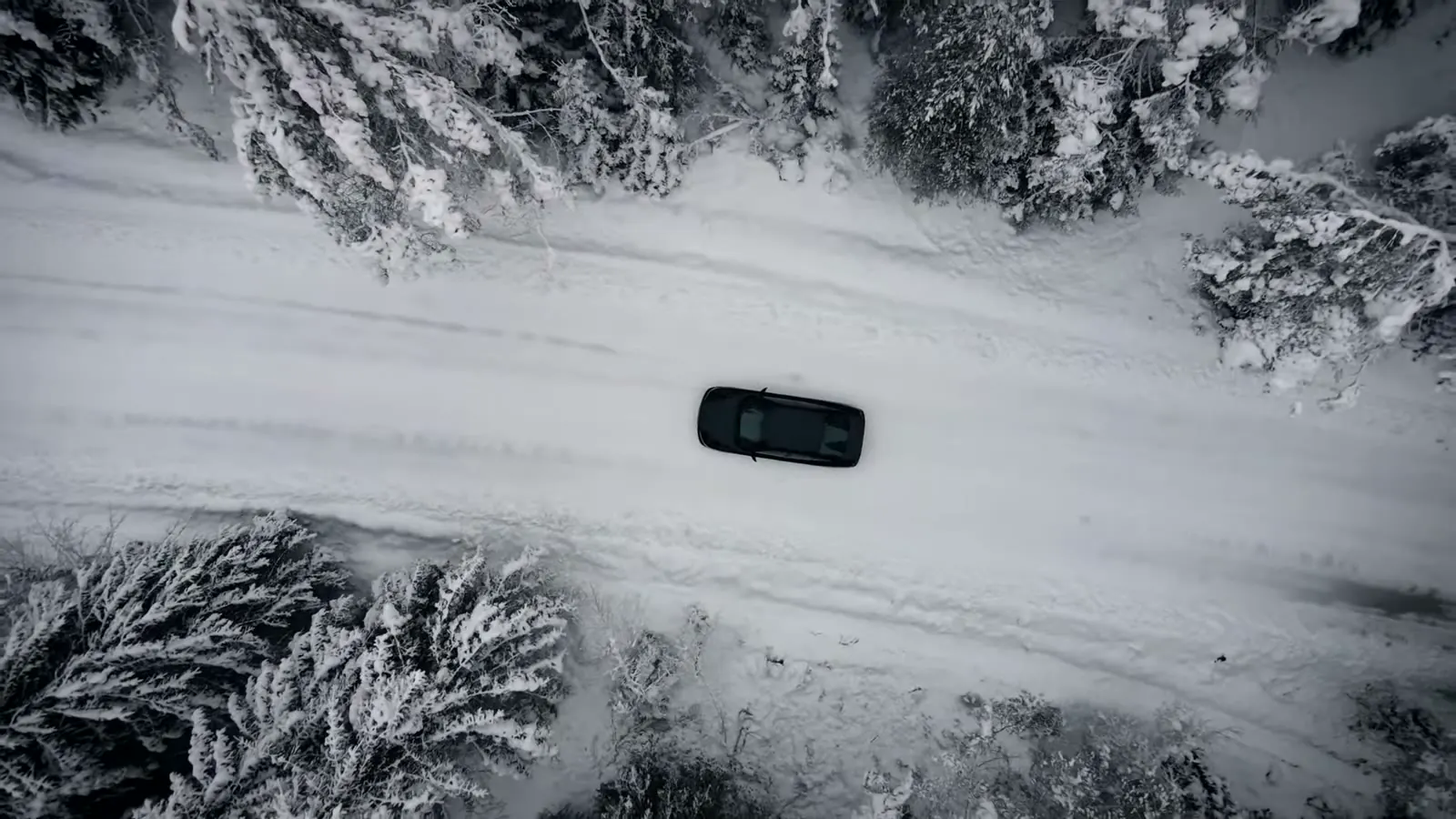
Image: Aerial winter drive by Vladislav Sanikovich, CC BY 3.0; video frame cropped and color-adjusted.
Winter Trip Tools
Visitor Snapshot
Use this quick summary to make faster booking decisions before you dive into full details.
- Primary destination
- Switzerland
- Nearby airports
- Zurich, Basel, Geneva
- Suggested stay areas
- Andermatt, Lucerne, Interlaken
Winter driving in Switzerland: what you actually need to know
For a winter rental, confirm the tires, the chain compatibility and the route before paying. A vehicle description such as “SUV” does not answer those questions.
Switzerland has no national calendar-based winter-tire mandate, but the vehicle must remain suitable for the conditions. ASTRA explains the winter-tire rule and the possible consequences of unsuitable equipment.
Build the trip around roads and tunnels available on your dates. A summer pass loop is not a winter route; even roads normally operated year-round can close temporarily.
- Choose your overnight bases before choosing a rental pickup.
- Check the hotel approach as well as the main road.
- Save a weather-delay option and the supplier’s assistance number.
Winter tires: what to confirm with the rental supplier
Ask for a written statement of the tire specification and whether the quoted total includes the winter equipment you need. Do not infer equipment from the country of registration, season or “all-season” label alone.
For a mountain trip, our recommendation is to request tires bearing the three-peak mountain snowflake symbol and verify them at pickup. Ask the desk to check tread depth rather than judging it from a distant glance.
A booking request is useful only if the supplying company confirms it. Keep the confirmation with your reservation, particularly if the car is supplied by a company different from the comparison site.
- Which winter tires will be fitted to all four wheels?
- Are those tires suitable and permitted for every country on our route?
- Which winter-equipment charges are included in the final price?
- What replacement or cancellation option applies if the confirmed equipment is unavailable?
Mountain pass closure seasons
Furka, Grimsel, Susten and the Gotthard pass road have seasonal winter closures. Opening dates depend on conditions and snow clearance. Check TCS live Swiss pass status and the Alpenpässe road reports for the actual road.
The Gotthard pass road and the Gotthard road tunnel are different routes. Do not follow navigation onto a closed pass because the tunnel route is busy.
Bernina is one example of a pass normally operated year-round. That description does not promise unrestricted access in snowfall; chain requirements or temporary closures remain possible.
- Use the current road name and status, not last year’s opening date.
- Re-check before setting out and obey closures or diversions.
- Keep the final day flexible enough for a weather delay.
Keep planning
Do I need snow chains in a Switzerland rental car?
Yes when the round blue mandatory-chain sign applies: it shows a white tire-and-chain symbol. The rule requires chains on at least two driven wheels on the same axle, or an officially approved equivalent. TCS explains the sign and fitting guidance.
Winter tires do not replace a chain requirement. AWD or four-wheel drive is not a blanket exemption; follow any explicit supplementary exemption and the instructions for your vehicle.
Ask the supplier to confirm chain availability, cost, the correct size and the permitted axle for the exact car. Before leaving the desk, inspect the set and request a demonstration. Practice somewhere suitable before you need it on the road.
Follow the lower of the road, vehicle and chain limits. TCS advises no more than 50 km/h with chains and prompt removal when the road becomes snow-free. Do not continue onto a signed section if you cannot fit the required equipment.
- Chains physically present and compatible with the fitted tires.
- Manufacturer instructions available; ask about any fitting restrictions.
- Gloves and a light accessible for fitting.
- A delay or alternative route planned if conditions worsen.
Insurance and liability: questions before booking
Do not treat “full cover” as a description of every covered situation. Read the rental agreement and any separate insurance or waiver together, including their excesses and exclusions.
Ask specifically about damage while using chains, tires, wheels, glass and the underbody, plus recovery from a snow-covered access road. If relying on a card benefit, check its rental-country, vehicle and payment conditions.
ECC-Net’s rental guidance recommends checking contract and insurance terms and declaring countries before booking. The questions here are a planning checklist; the answer comes from the policy you buy.
Keep planning
Before pickup and before each winter drive: checklist
Our suggested checklist is designed to catch missing equipment and unrealistic plans. It cannot make an unsuitable road safe.
- Review live road conditions, weather and the hotel’s final approach.
- Check the confirmed tires, tread and compatible chains with the supplier.
- Keep enough fuel or battery reserve for delays; plan refuelling or charging stops.
- Locate the warning triangle, reflective jacket, scraper and winter screenwash.
- Save offline directions, the hotel number and the rental assistance number.
- Allow daylight and delay time; stop or postpone if conditions exceed your experience.
Frequently Asked Questions
Are winter tires legally required in Switzerland?
Switzerland has no national calendar-based winter-tire mandate. The vehicle must still be suitable for the conditions; ASTRA recommends winter-ready tires. Ask the supplier to confirm the equipment fitted to your rental.
Which Swiss mountain passes stay open in winter?
Some passes, including Bernina, normally operate year-round but can close temporarily. Furka, Grimsel, Susten and the Gotthard pass road have seasonal winter closures. Check the exact road in the live pass report instead of relying on a fixed opening date.
Do I need snow chains in a rental car in Switzerland?
You must fit suitable chains when a mandatory-chain sign applies. At least two driven wheels on the same axle need chains or an approved equivalent. Confirm compatible equipment before pickup; winter tires alone do not replace a chain requirement.
Does an AWD rental car avoid the chain requirement?
AWD is not a blanket exemption. Follow the sign, any explicit supplementary exemption, and the vehicle instructions. Ask the supplier which axle and chain type are permitted on the exact car.
What is the best way to check pass closures in real time?
Use the TCS Swiss pass-status portal or the relevant road authority, then check again before departure. Road signs, closures and local instructions take priority over a saved navigation route.
Is driving in Switzerland safe in winter for tourists?
No route or vehicle can make a winter drive safe in every condition. Ice, snowfall and poor visibility can affect main roads as well as mountain roads. Delay the journey or use a suitable rail connection if conditions or your experience make driving unsuitable.
Official sources
Reviewed 21 September 2026. Re-check road conditions and the rules for your dates before travel. Booking checklists are our planning recommendations.
Plan Your Trip Further
Scenic Drives
Where to Stay
Itineraries
Planning a full Switzerland road trip? Our complete hub guide covers routes, bases, driving rules, and sample itineraries.
See the complete guide →Help Us Help You
Tell us what would make this guide more useful for your trip.
We want every PlanTheAlps page to save you time, reduce stress, and help you make better travel decisions. Share what feels unclear, missing, or outdated, and we will use your feedback to improve the site for all visitors.
You are sharing feedback on: Driving in Switzerland in Winter: Tires, Pass Closures, Chains, and Rental Rules